Capabilities
Post-Appeal Monitoring for Peptide Advertising
Reinstatement is a point-in-time decision about a specific set of products, claims, pages and account structures. The business keeps moving afterward, and peptide ad policy monitoring exists to catch the changes that quietly carry an account back outside the scope that was reviewed. This is a staffed review and change-control engagement, not a promise that an approval holds permanently.

Record the approved baseline before anything changes
The first deliverable is a baseline register: the products and ingredient forms that were in market at the time of the decision, the claims on each landing page, the account and domain structure, the certifications relied on, and any limitation that survived the appeal. It names an owner for each item, because an unowned record stops being accurate within weeks.
Location eligibility belongs in the register too, since Google expects advertisers to check location-specific restrictions for every location they plan to advertise in, and labels compliant campaigns "Eligible (limited)" when targeting and domain certification line up (Google Ads healthcare and medicines policy). The work is built for Google's sensitive healthcare vertical, where retargeting is not permitted.

Monitor business changes as they actually happen
Peptide advertising account monitoring is only useful if it watches the business, not just the ad account. Four change types reopen risk fastest: new or reformulated products, new claims, new partners such as pharmacies or affiliates, and new jurisdictions. Product status is especially unstable right now.
LegitScript's summary of the HHS policy describes enforcement discretion for six named substances under Section 503A, BPC-157 acetate, TB-500 acetate, Epitalon acetate, Semax free base, KPV acetate and MOTS-C acetate, with 503B outsourcing facilities not covered and enforcement discretion not amounting to FDA approval (LegitScript). A SKU swap that looks routine to a merchandiser can change eligibility entirely.
Intake for these signals runs through the same operating rhythm described in Healthcare Campaign Management Systems.
Review campaign edits before they go live
Regulated campaign change control means a human reviews any edit that touches approved scope: ad copy, destination URLs, landing page templates, offer pages, pricing pages, verification details and feed content. The review is deliberately narrow, comparing the proposed change against the baseline register and recording an approve, revise or hold decision with a timestamp. It also protects against the mistakes that carry the heaviest penalties.
Google treats circumventing systems violations as egregious, including showing reviewers different content than what users see, creating new accounts after a suspension decision, and submitting false information during verification, with suspension occurring upon detection and without prior warning (Google Ads circumventing systems policy). Review criteria follow the Healthcare Marketing Compliance Checklist.
Free Audit
Want a straight read on where your budget is leaking?
Define escalation thresholds and name who investigates
An escalation matrix converts judgment calls into pre-agreed actions. Typical thresholds, illustrative rather than universal, include a disapproval touching a peptide offer page, a new ingredient form appearing on the site before review, a pharmacy or telehealth partner change, a certification status change, or a disapproval pattern across more than one account.
Each threshold carries three fields: pause, proceed or investigate; the named person who makes that call; and the time window for a decision. Certification sits inside the matrix rather than above it, because platform and payment requirements remain independent of certification status and implementation timing can differ (LegitScript). Background on that process is in LegitScript Certification: Cost, Rules and Timeline.
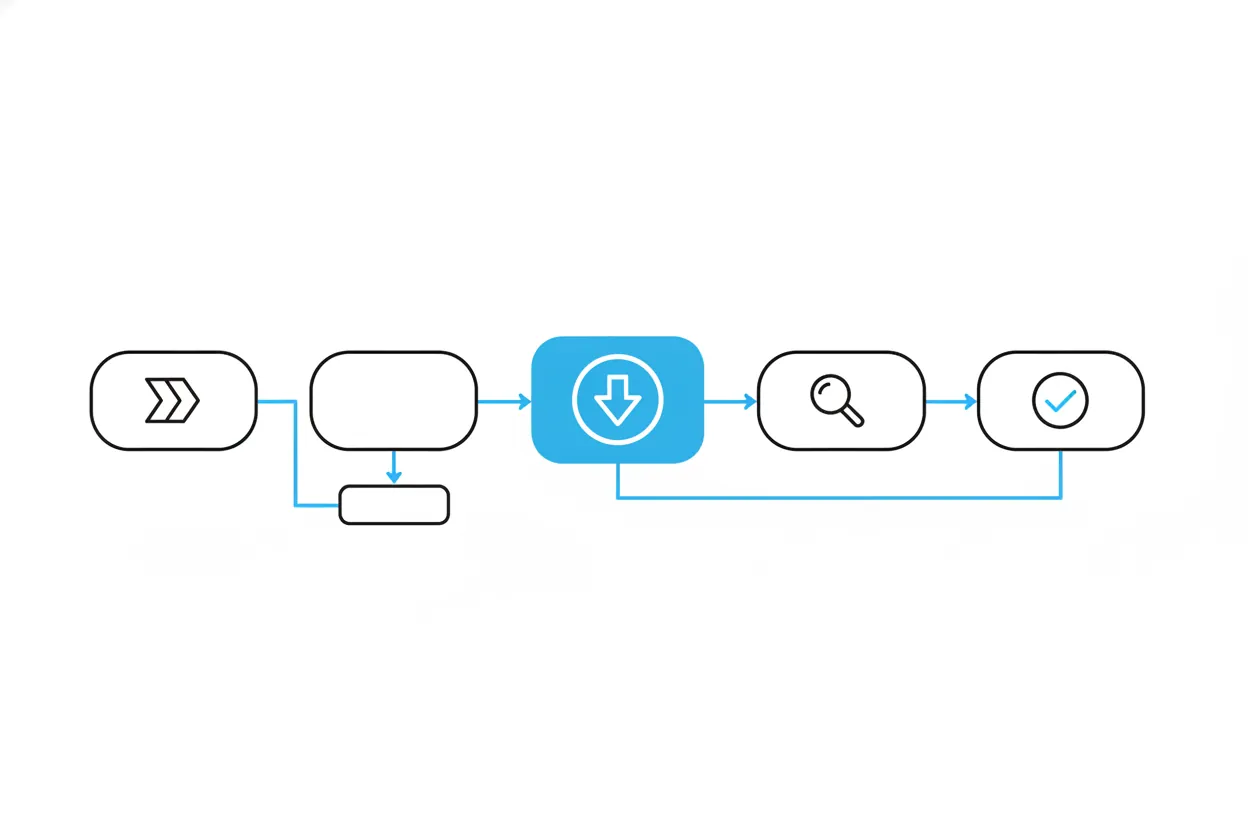
Report observed work in plain, checkable terms
The monitoring report states what changed, what was reviewed, what was escalated, what was paused and what is still unresolved, with dates and owners. Unresolved items stay visible rather than disappearing between reports, since they are usually the real exposure. Reports describe process and status, not predicted enforcement outcomes, and they distinguish measured facts from estimates.
The judgment behind the reviews comes from operator history: the founder managed $1.5 to $2M per month in Google Ads across 11+ behavioral and mental health accounts, led marketing for a treatment network that grew from 3 to 24 locations, and serves as a court-certified expert witness in advertising strategy. Buyers comparing providers can use Healthcare Marketing Agency: Vetting & Strategy Guide.
Renew the monitoring plan on a set cadence
Post reinstatement ad governance decays if the source list is static. On a scheduled cadence, a named reviewer rechecks the platform policies that apply to the account, the certification standards in force, and the regulatory guidance behind the current product list, then updates the baseline register and escalation matrix to match.
LegitScript updated its certification review approach effective November 2, 2026 to reflect the conditional allowances in the HHS policy, and advises businesses to monitor whether that policy is revised or withdrawn (LegitScript). Renewal also covers coverage scope: accounts added, channels added, markets entered. Related work: Healthcare Paid Media, Marketing Powered Security Overview and Healthcare Marketing Attribution Through Admissions.

Email Us
Prefer to send the context directly?
Questions buyers ask before scoping monitoring
Does reinstatement approve every product?
No. A decision covers what was reviewed. Eligibility still depends on the specific ingredient, formulation, facility type and location, and certification reviews assess ingredient, formulation, route of administration, compounding facility and supply chain compliance (LegitScript). Adding a product is a new eligibility question, not an extension of an old approval.
Which changes trigger review?
Product additions and reformulations, claim or indication language, pharmacy or telehealth partner changes, affiliate and lead-partner additions, new states or countries, landing page template changes, checkout and verification details, and any edit to a page an ad points to. Cosmetic changes with no scope contact are logged without full review.
Can monitoring prevent all suspensions?
No, and any provider saying otherwise is overselling. Platforms enforce at their discretion and can suspend upon detection without prior warning for serious violations (Google Ads). What a monitoring engagement provides is fewer unreviewed changes, faster detection, documented decisions and a defensible record if a review happens.
Who authorizes campaign changes?
Authority is assigned in writing before work starts, usually with the requester and the approver as different people. Marketing can request, a named compliance or clinical reviewer approves scope-affecting items, and the change log records who decided what and when.
How is service performance measured?
By process metrics first: percentage of changes reviewed before launch, review turnaround, escalations raised and closed, and open unresolved items. Media performance is measured separately through qualified inquiry and pipeline reporting. Conversion baselines for this service are unavailable at launch rather than zero, so targets are set after a measurement period.
Scoping starts with your current baseline, change volume and who can approve.
More Services
Ready to see where your marketing can improve?
Request a free audit of your paid media, landing pages, attribution, and measurement setup. You'll get a straight assessment of where the opportunities are.
or email us at info@marketingpowered.ai