Resources
How to Get More Google Reviews Without Breaking the Rules
Acquiring customer feedback across multiple commercial locations requires an operational workflow rather than an occasional marketing push. When organizations learn how to get more google reviews systematically, they improve their local organic search presence while gathering actionable operational insights. Doing this sustainably means eliminating friction for the customer while adhering strictly to search engine guidelines and federal consumer protection standards.
By Mike Hulick, Founder, Marketing Powered

Why Review Prominence Matters When You Want to Get Google Reviews
Local search algorithms rely on three fundamental pillars to determine which businesses appear in front of high-intent searchers: relevance, distance, and prominence. As documented in Google Business Profile Help, Google explicitly calculates prominence using information gathered from across the web, including review count and review score. When two competing practices or service locations sit equidistant from a prospective customer searching for immediate care or assistance, the listing with steady review velocity and higher overall ratings regularly earns the top spot in the local map pack.
Beyond pure search engine rankings, customer reviews establish commercial trust before a prospect ever visits your website. In high-consideration sectors like healthcare systems, specialized clinical practices, and professional services, a patient or client evaluates public feedback during moments of acute need. Prospective buyers look at the total number of reviews, the recency of the latest comments, and the manner in which management handles critical feedback.
Review velocity also signals operational viability. A business profile that accumulated fifty positive entries three years ago and nothing since signals neglect to both search engine crawlers and prospective customers. Consistent, incoming evaluations verify that your doors remain open, your services remain dependable, and your team continues to resolve real-world customer needs. Establishing a steady process to get Google reviews protects your local market share against aggressive regional competitors.
For organizations managing dozens of operating units, local prominence forms the foundation of multi-unit organic visibility. To see how reputation integrates with technical site architecture across distributed physical sites, read our comprehensive guide on Multi-location SEO: how to rank every location without duplicate content.
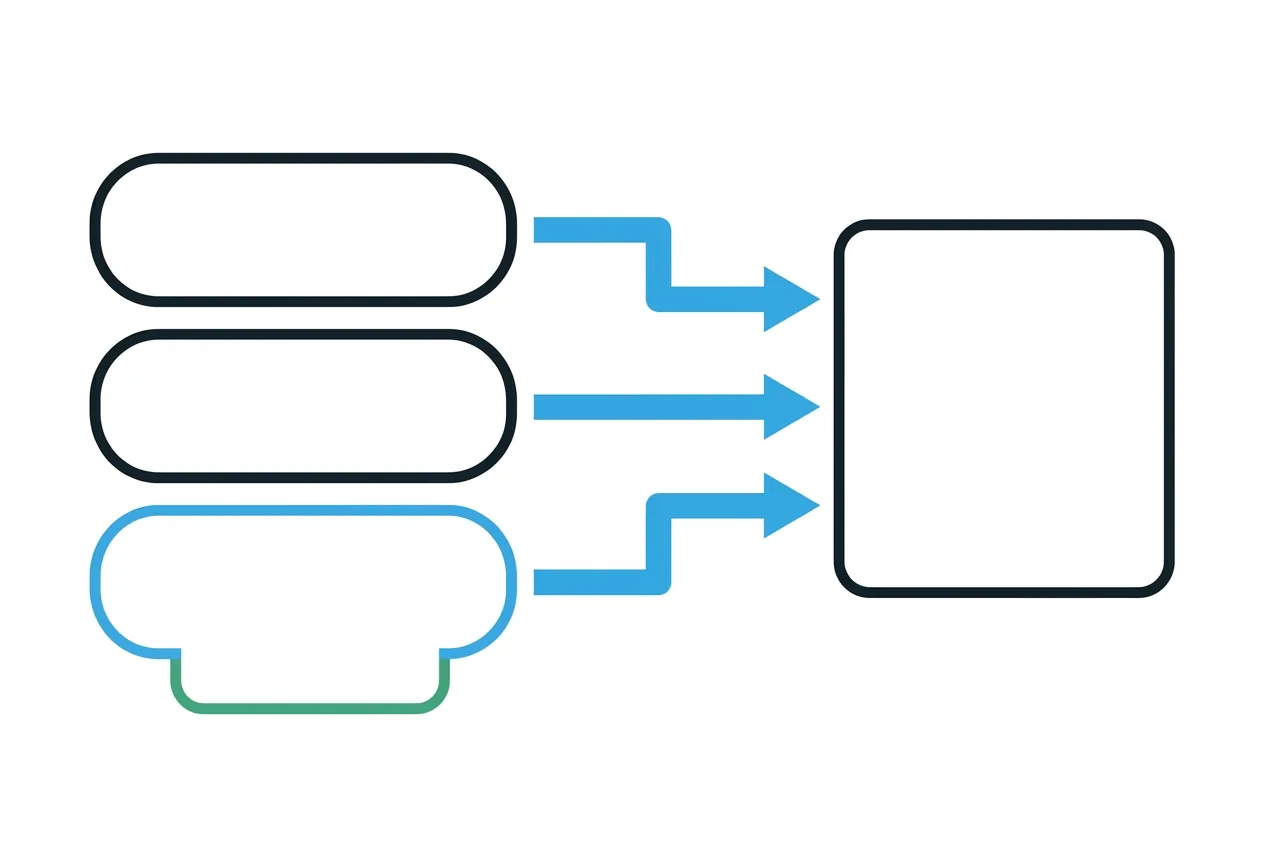
Google and FTC Rules: What Prohibits Gating and Incentives
Building review volume quickly tempts many marketing teams into risky shortcuts, but cutting corners invites punitive action from both search platforms and federal regulators. The Google Maps Policy on Prohibited Content strictly outlaws fake engagement, paid endorsements, and review gating. Review gating occurs when a business pre-screens customers using an internal survey or thumbs-up interface, routing satisfied respondents to Google while steering critical respondents to a private customer service form. Google requires that all customers receive an equal, unfiltered path to leave public feedback, regardless of their sentiment.
Platform policies also prohibit commercial incentives. A business may not offer gift cards, service discounts, raffle entries, cash, or free merchandise in exchange for a review. Furthermore, Google bars organizations from setting up customer review stations or kiosks inside a facility. When dozens of customer submissions originate from the exact same corporate IP address, Google automated detection algorithms frequently flag the activity as spam and remove the listings.
- Direct links to native review modal. Prohibited Practices: Review gating (filtering by prior sentiment).
- Point-of-service verbal invitations. Prohibited Practices: Discounts, gifts, or contest entries for posts.
- Physical NFC cards and desk displays. Prohibited Practices: Kiosks or tablets on shared internal Wi-Fi.
- Identical paths for all customer sentiment. Prohibited Practices: Employee bonuses tied to review count quotas.
- Systematic post-visit SMS or mail. Prohibited Practices: Staff writing reviews on behalf of clients.
Federal regulators reinforce these restrictions with substantial legal teeth. Under the FTC Consumer Reviews and Testimonials Rule, the Federal Trade Commission prosecutes unfair or deceptive practices, including buying fake reviews, suppressing negative reviews through legal threats, or misrepresenting employee feedback as independent consumer sentiment. Violations carry substantial civil monetary penalties per infraction. Managing review operations across multi-location networks demands clear compliance boundaries so your reputation building remains fully defensible.
How to Generate and Configure Your Direct Google Review Link
The fastest way to lose a willing reviewer is forcing them to open a browser, search for your location, locate the exact Knowledge Panel, and find the feedback button. To maximize completed submissions, you must provide a direct short link that opens the native submission modal instantly on mobile or desktop devices.
To generate your official URL, navigate to your verified Google Business Profile dashboard:
- Log into the Google account tied to your business listing and navigate to your business dashboard.
- Select the icon labeled "Ask for reviews" within the profile management interface.
- Copy the system-generated review link, which uses the official Google shortcut structure pointing directly to your business profile review dialogue.
- Test the link inside a private or incognito browsing window to confirm that it loads the star-rating dialog box and comment text field directly over your profile.
For enterprises operating multiple branches, manage these links systematically. Never route all regional traffic to a single corporate headquarters listing. Each physical address requires its own distinct Google Business Profile and corresponding review link. Maintain a centralized, documented directory of these destination URLs within your operational asset registry. If you work with an outside agency to coordinate these technical assets across markets, review our guide on Multi location seo services: what a specialist partner delivers and how to vet one.
Free Audit
Want a straight read on where your budget is leaking?
How to Ask for Google Reviews at the Point of Service
Post-visit email surveys frequently fail because of timing. By the time an automated message reaches an inbox forty-eight hours after an appointment or transaction, the client has moved on to other concerns. Email open rates for transactional messages hover around modest levels, and conversion rates to third-party review platforms drop even further.
The most effective window to ask for Google reviews is during the physical encounter, when service delivery concludes and customer satisfaction peaks. Front-desk personnel, service technicians, and checkout coordinators represent your best reputation ambassadors. Equipping these team members with simple, non-pressuring verbal scripts normalizes review requests across your network.
Effective verbal requests rely on professional neutrality:
- "We appreciate your visit today. If you have a moment, scanning this desk display gives our management team direct feedback on your experience."
- "Our local team reviews all customer feedback weekly. If you would like to share your thoughts on Google, this card brings you directly to our profile."
- "Thank you for choosing us. We value your honest perspective, and leaving a quick note on Google helps others in our neighborhood find our team."
Train staff never to ask specifically for a five-star rating or coach the customer on what words to write. Coaching customers or demanding top scores violates platform policies and makes clients uncomfortable. Train employees to offer the opportunity as an invitation to share an authentic experience, rather than treating it as a performance metric.

Deploying Physical NFC and QR Touchpoints to Increase Google Reviews
Relying solely on verbal reminders leaves room for human error. Staff get busy during peak hours, phones ring, and checkout lines back up. To bridge the gap between physical customer interactions and digital feedback, organizations deploy physical point-of-service touchpoints using near-field communication (NFC) chips paired with high-contrast QR codes.
Marketing Powered provides Powered Cards to solve this physical-to-digital collection problem for distributed brands. Powered Cards are durable, brand-aligned NFC cards and compact countertop displays placed directly in customer-facing zones. When a client finishes their appointment or purchase, they simply tap their smartphone against the card or scan the dynamic QR code with their camera.
The customer device detects the embedded NFC chip instantly, bypassing mobile web searches and launching the official Google review form in their default browser or Google Maps application. For older devices lacking active NFC reading, the printed QR code delivers an identical destination.
Deploy these physical access points across high-engagement operational areas:
- Reception and Checkout Desks: Position weighted, branded NFC stands right where payment processing and appointment scheduling occur.
- Discharge Folders and Service Packets: Include a credit-card-sized Powered Card inside hard-copy informational folders handed to clients upon departure.
- Service Vehicles and Field Clipboards: Equip mobile kits for in-home service technicians, physical therapists, and commercial inspectors to capture feedback immediately upon job completion.
By turning review solicitation into a physical asset placed within existing operating routines, regional brands reliably increase Google reviews across every facility they operate. For an in-depth breakdown of the hardware specifications, mobile operating system compatibility, and operational rollout, read our article on Google review cards: using NFC and QR cards to collect reviews at the point of service.
Operational Workflows to Scale Review Velocity Across Multi-Location Networks
Scaling reputation management across ten, twenty, or fifty facilities requires rigorous operational governance. Without standardized reporting and oversight, performance diverges rapidly. Two facilities in the same metropolitan area can produce drastically different outcomes purely based on whether local management prioritizes the collection workflow.
To establish operational accountability across distributed networks, implement a structured four-week deployment cadence:
- Week 1. Operational Focus: Asset Audit and Dashboard Verification. Primary Deliverable: Central registry of verified direct review URLs for every facility.
- Week 2. Operational Focus: Enablement and Tool Distribution. Primary Deliverable: Delivery of neutral staff scripts and physical NFC and QR cards.
- Week 3. Operational Focus: Point-of-Service Integration. Primary Deliverable: Embedding tap cards into front-desk checkout and departure workflows.
- Week 4. Operational Focus: Performance Baseline and Visibility Scans. Primary Deliverable: Territory-by-territory review velocity and local map rank tracking.
Once the physical assets and workflows are active, regional marketing leaders must track review velocity and local map visibility on a scheduled monthly rhythm. Using geographic rank grid scans, leadership can measure how review volume correlates with map pack prominence within specific radial distances of each address. When a particular branch shows stagnant review counts, field directors can investigate whether staff misplaced the physical cards or stopped issuing verbal invitations.
Our executive background includes serving as a former healthcare CMO who ran marketing for a treatment network that grew from 3 to 24 locations, managing advertising across 11+ behavioral and mental health accounts as a court-certified expert witness in advertising strategy. Operating across complex multi-site networks demonstrates that local search prominence is an operational habit, not an algorithm trick. When each facility executes the same compliant routine daily, the cumulative visibility of the entire organization compounds over time.

Email Us
Prefer to send the context directly?
Responding to Negative Feedback Compliantly in Regulated Verticals
Even the best-run service networks occasionally receive negative public feedback. How your organization manages critical remarks directly impacts customer acquisition and brand authority. Unanswered complaints signal apathy, while combative responses confirm the prospective customer's worst suspicions.
A compliant, professional response follows three rules: acknowledge the feedback promptly, demonstrate professional empathy without accepting legal liability, and move the detailed conversation to an offline channel.
In regulated verticals like healthcare, behavioral health, and legal services, public responses demand strict confidentiality governance. Under federal privacy rules like HIPAA, organizations may never confirm or deny that a reviewer received clinical treatment, nor may they discuss specific diagnoses, appointment times, or billing disputes in a public forum. Even if the reviewer discloses their medical history openly in the comment, the business response must remain entirely neutral and generic.
A compliant healthcare response follows this structure:
"Thank you for sharing your perspective. Our organization holds patient care and service quality to rigorous standards. Because federal privacy regulations prevent us from discussing individual customer or patient experiences online, please contact our compliance director through the main phone number or email address listed on our website so our team can review your concerns confidentially."
Consistent review acquisition serves as the best operational defense against sporadic negative feedback. When a facility generates steady authentic reviews each month, an isolated single-star submission cannot depress the overall rating or skew search algorithm signals. The authentic voice of the satisfied majority naturally buffers your online reputation.
Questions, Answered.
To get more Google reviews for your business without violating search engine rules, focus on direct access points and neutral invitations. Avoid any filtering mechanism that pre-screens customers before sending them to Google, as review gating violates Google Maps policies. Equip customer-facing staff with direct review links or physical NFC tap cards at checkout, and train employees to invite honest feedback from every client regardless of their perceived satisfaction level.
You can get more Google reviews without buying software or third-party platforms by using the free tools built into your Google Business Profile. Generate your official short review link directly from the Google Business Profile dashboard. Add this direct URL to your corporate email signatures, print free QR codes linked to the URL on receipts or physical signage, and train your customer-facing staff to issue polite verbal invitations when service concludes. Maintaining accurate profile details and responding to all existing reviews also signals engagement, encouraging subsequent visitors to share their thoughts.
Capturing reviews during peak operational hours requires removing all technical friction at the point of service. Instead of relying on lengthy verbal explanations or asking customers to search for your listing manually, provide tap-to-review NFC cards or countertop displays directly at the checkout desk. A quick, polite statement while processing payments or completing paperwork allows the customer to launch the native review modal in a single tap on their smartphone before departing.
The fastest compliant method to increase review volume is addressing the physical point of service directly across every operating branch. Equipping customer-facing teams with physical NFC and QR tap-to-review cards allows clients to open the review submission modal on their phones before leaving your facility. Pairing in-person requests with automated, non-incentivized SMS follow-up messages delivered shortly after a completed transaction accelerates completion rates without violating anti-gating policies.
Discussions among local business operators on forums like Reddit frequently highlight that automated email sequences yield declining response rates, while physical point-of-sale requests generate the highest completion percentages. Operators emphasize that asking in person at the moment of peak customer satisfaction yields immediate results, provided the team does not violate platform rules by offering discounts or running on-site kiosks that share a single IP address. Schedule a multi-location review and visibility audit with Marketing Powered
Ready to see where your marketing can improve?
Request a free audit of your paid media, landing pages, attribution, and measurement setup. You'll get a straight assessment of where the opportunities are.
or email us at info@marketingpowered.ai