Capabilities
Call Tracking Services: What a Specialist Partner Delivers and How to Vet One
Phone calls remain the highest-intent conversion channel for healthcare organizations, professional practices, and multi-location operators, yet inbound calls are frequently treated as attribution blind spots. Deploying standalone software licenses rarely solves this measurement gap because software alone cannot audit intake workflows, enforce patient privacy protocols, or reconcile closed revenue against ad platform bids. Professional call tracking services bridge media investment, telephony routing, and CRM pipeline stages into an audited, privacy-safe analytics system.
What Professional Call Tracking Services Actually Deliver
Renting access to software is fundamentally different from engaging an implementation partner. Many marketing teams sign contracts with software providers, paste a JavaScript snippet into Google Tag Manager, and expect clean commercial insights. The operational reality looks very different. An untrained intake coordinator answers a phone call, enters partial notes into an isolated electronic health record or CRM, and leaves the media buyer guessing which Google Ads campaign generated the inquiry.
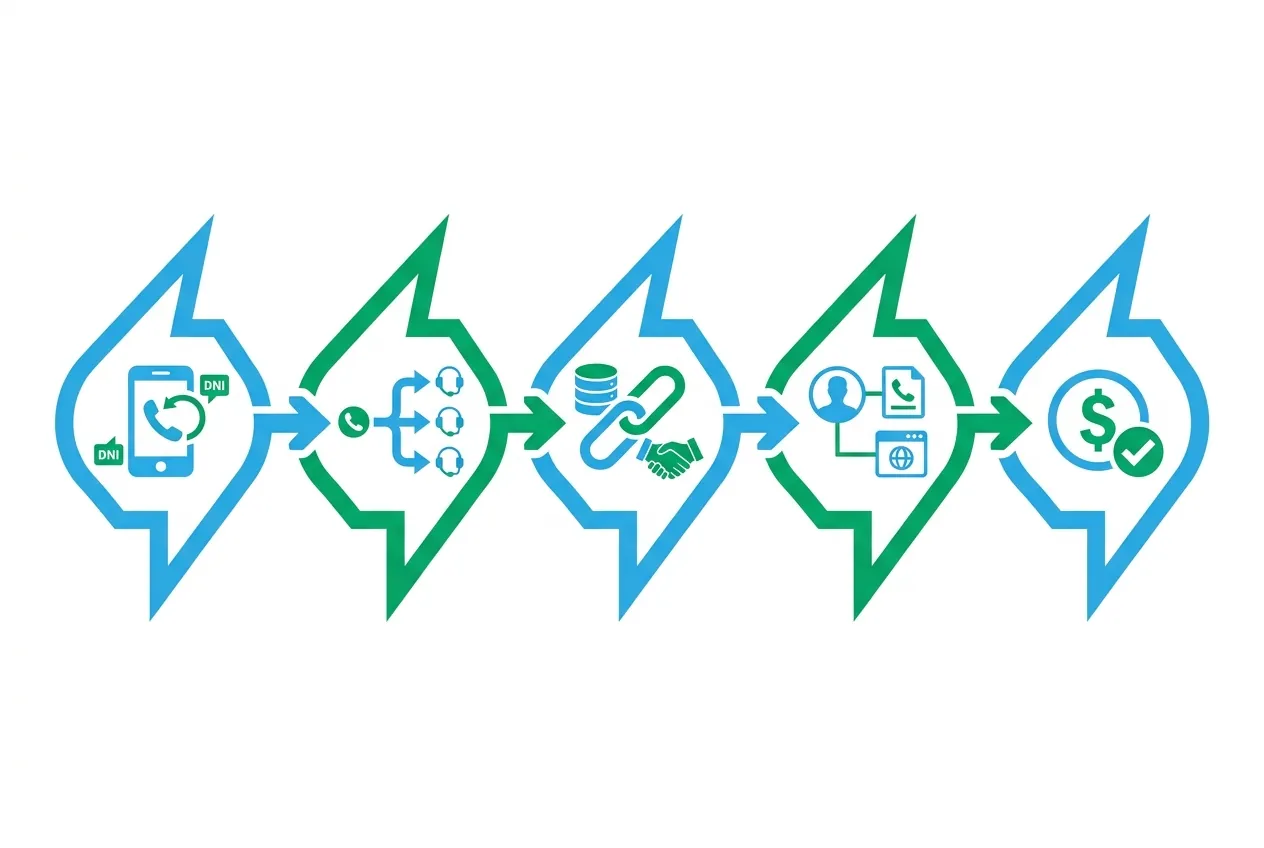
Full-service call tracking services engineer the entire operational pipeline between a visitor's first digital impression and the final transaction. A specialized partner configures dynamic number insertion across multi-channel entry points, provisions clean local and toll-free pools, filters out carrier spam, and builds intelligent interactive voice response routing tailored to staffing capacity. More importantly, an implementation partner integrates telephony events directly into operational databases. When an intake coordinator answers a call at a front desk or admissions office, the caller's session parameters match seamlessly with the intake file.
This process requires rigorous data modeling rather than basic software setup. A specialist ensures that every marketing channel receives accurate credit without polluting downstream CRM records with duplicated lead entries or disconnected phone numbers. To understand how telephony data fits into a complete business intelligence framework, review our guide to data and analytics architecture: attribution, call tracking and first-party data.
How Dynamic Number Insertion Operates Across Marketing Channels
Dynamic number insertion powers modern phone attribution by serving as the technical link between an online browser session and an offline voice conversation. When a prospective patient or client visits a website, a lightweight JavaScript script inspects the visitor session parameters, including referral headers, UTM parameters, and ad platform identifiers such as the Google Click ID (GCLID).
The script instantly swaps the hardcoded business telephone number on the web page for a distinct call tracking number chosen from a dedicated pool. When the visitor dials that number, the telephony provider logs the call event, captures the associated session metadata, and forwards the audio stream to the primary business phone line. To prevent session collisions, the number pool must be calibrated precisely to handle peak concurrent visitor traffic. If an active paid search campaign drives fifty concurrent visitors to a landing page but the tracking pool contains only five numbers, multiple visitors see the same telephone number simultaneously. This breaks attribution integrity and causes misallocated marketing spend.
Beyond paid digital media, a dedicated call tracking number must be assigned statically to offline campaigns, direct mail pieces, print collateral, and local directory listings. Maintaining clean separation between dynamic pools and static numbers protects the consistency of local search citations while capturing multi-touch engagement across offline touchpoints. For a comprehensive operational breakdown, see our resource on call tracking: how it works and what to measure beyond call volume.
Beyond Call Volume: Call Tracking Metrics That Drive Commercial Decisions
Traditional digital dashboards emphasize vanity metrics such as total incoming calls, average ring duration, and aggregate call minutes. These figures look impressive on executive slides, but they offer zero insight into commercial yield. A marketing campaign can double gross call volume while lowering revenue if incoming traffic consists of customer service disputes, billing questions, or unqualified prospects.
A disciplined analytics team focuses on actionable call tracking metrics that correlate directly with unit economics:
- First-Time Caller Ratio: The percentage of total inbound calls originating from new, unrecorded phone numbers versus existing accounts or operational inquiries.
- Qualified Intake Rate: The proportion of callers who meet specific commercial, clinical, or geographic criteria as verified by intake personnel or automated conversational scoring.
- Cost Per Qualified Call: Total media spend divided exclusively by qualified prospects, filtering out billing questions, misdials, and vendor inquiries.
- Call-to-Appointment Conversion Rate: The operational efficiency rate measuring how many qualified callers schedule an evaluation, consultation, or intake assessment.
- Downstream Revenue per Call: The total contract value or collected patient revenue generated by callers originating from a specific campaign or keyword grouping.
Focusing on these metrics transforms call data from an isolated marketing score into a shared commercial metric that unites advertising teams with admissions and sales operations.
Free Audit
Want a straight read on where your budget is leaking?
Resolving Software Fatigue and Call Tracking Metrics Login Friction
Marketing directors and intake managers frequently suffer from dashboard proliferation. When a company purchases an enterprise call tracking subscription, team members receive a call tracking metrics login, attend an onboarding webinar, and then slowly abandon the software portal. Front-desk personnel do not have the time or incentive to log into a separate telephony dashboard every morning to listen to call recordings, manually apply tags, and reconcile caller identities against the internal CRM.
When agencies simply hand off a call tracking metrics login to internal staff, data collection falls apart. Front-desk teams skip manual call tagging, lead status updates lapse, and ad buyers continue running media campaigns against top-funnel click metrics.
A dedicated implementation partner eliminates this operational friction by automating data synchronization behind the scenes. Using secure webhooks, server-side data pipelines, and custom API integrations, call metadata flows automatically into the systems your team already uses every day: Salesforce, HubSpot, or specialized electronic health records. Intake teams never have to open a third-party telephony dashboard to classify a lead. The call event, session parameters, recording link, and qualification stage appear directly inside the central customer record, ensuring data completeness without adding administrative drag.
How Specialist Call Tracking Companies Protect Privacy in Regulated Sectors
In regulated industries such as healthcare, hospital systems, and legal practices, call tracking involves substantial compliance risk. Telephony platforms routinely capture caller telephone numbers, caller names, geographic locations, and full audio recordings containing sensitive personal information.
Generic call tracking companies frequently deploy standard tracking tags that transmit digital identifiers to third-party ad networks alongside sensitive web context. Under federal healthcare privacy regulations, this practice introduces severe regulatory exposure. The Department of Health and Human Services provides strict standards regarding third-party pixels and tracking scripts in the HHS Office for Civil Rights Guidance on Online Tracking. In healthcare verticals, telephony vendors must execute formal Business Associate Agreements (BAAs), provide automated redaction of sensitive caller information, and prevent unauthorized data transmission to ad tech vendors.
Furthermore, major advertising networks impose strict policy constraints regarding sensitive consumer categories. Platforms prohibit compiling sensitive user profiles or serving personalized re-engagement ads based on medical history, as outlined in the Google Ads Personalized Advertising Policies. A specialist partner ensures that call tracking infrastructure operates entirely within these regulatory and platform guardrails, isolating sensitive health details while maintaining defensible attribution standards.
Engineering Call Attribution to Qualified Pipeline and Admissions
The ultimate value of call attribution lies in feeding downstream conversion signals back to advertising platforms to guide automated bidding algorithms. Modern paid media networks rely heavily on machine learning to allocate daily budgets. If you configure Google Ads to optimize for raw phone calls lasting longer than sixty seconds, the platform will systematically find users who talk for sixty seconds, regardless of whether those users ever convert into paying customers.
To guide bidding algorithms effectively, operators implement closed-loop attribution via Google Ads Help on Offline Conversion Imports. When a phone call occurs, the system records the visitor Google Click ID or relevant click parameter. Once the intake team qualifies the inquiry, books an evaluation, or confirms an admission inside the CRM, that milestone event uploads back into the ad network as an offline conversion. The advertising algorithm adjusts its targeting toward search queries and audience signals that produce qualified revenue rather than casual inquiries.
At Marketing Powered, our measurement systems are designed around operator experience. Our founder is a former healthcare CMO who ran marketing for a treatment network that grew from 3 to 24 locations, managed $1.5 to $2M per month in Google Ads across 11+ behavioral and mental health accounts, and serves as a court-certified expert witness in advertising strategy. Our systems are AI-native since 2022, LegitScript-aware, and HIPAA-aware. We deploy owned, local AI infrastructure for HIPAA-aware inference, and our attribution is tracked to admission or contract signature, not just top-funnel leads. For broader strategic context on full-funnel measurement, review our guide to marketing attribution: a practical guide for teams that need real answers.
Email Us
Prefer to send the context directly?
How to Vet Call Tracking Companies Before You Sign
Selecting an attribution partner requires evaluating operational competence rather than software feature checklists. Before engaging a service provider, conduct a structured technical interview to verify their ability to handle complex routing, privacy requirements, and closed-loop reporting.
Use the following operational criteria during your partner evaluations:
- Number Pool Sizing. Software Reseller Approach: Static pool recommendations based on arbitrary averages. Specialist Attribution Partner: Dynamic mathematical modeling aligned with peak concurrent traffic sessions.
- Intake Integration. Software Reseller Approach: Expects client staff to use native platform dashboards for call tagging. Specialist Attribution Partner: Bi-directional API integrations routing call records directly into internal CRMs.
- Data Privacy. Software Reseller Approach: Standard terms of service without vertical compliance protocols. Specialist Attribution Partner: Signs formal BAAs, supports automated PHI redaction, and isolates sensitive data.
- Bid Optimization. Software Reseller Approach: Optimizes campaigns toward gross call volume or raw call duration. Specialist Attribution Partner: Implements offline conversion imports tied to verified admissions and revenue.
- Attribution Scope. Software Reseller Approach: Single-touch call reporting isolated from digital touchpoints. Specialist Attribution Partner: Multi-touch, full-funnel modeling linking phone events to organic, paid, and direct channels.
Teams seeking comprehensive agency representation can evaluate our detailed breakdown of partner capabilities in marketing attribution agency: what a specialist partner delivers and how to vet one.
Questions, Answered.
Call tracking is an analytics technology that attributes inbound telephone calls to the specific marketing channels, advertising campaigns, keywords, and creative assets that generated them. By assigning dynamic or static phone numbers to different traffic sources, organizations measure exact offline conversion rates alongside online form submissions.
Call tracking works by running a dynamic number insertion script on a website. When a visitor lands on the site, the script checks the visitor source parameters and displays a unique telephone number drawn from a configured pool. When the visitor dials the number, the system captures session details such as campaign name and click identifiers, routing the audio to the business while recording attribution data.
Yes, but it requires specialized configuration. Healthcare providers must work with telephony vendors willing to execute Business Associate Agreements. The deployment must exclude tracking pixels from sensitive patient portal pages, redact protected health information from audio recordings and transcriptions, and ensure that click identifiers sent back to ad networks do not contain personal health details.
Optimizing paid campaigns for raw call volume rewards ad networks for finding casual inquiries, misdials, and support requests. Bidding algorithms prioritize cheap clicks that trigger phone calls rather than qualified prospects who buy services or admit for care. Integrating offline conversion data ensures ad spend concentrates on high-intent prospects who generate revenue. Book an attribution audit with Marketing Powered
Ready to see where your marketing can improve?
Request a free audit of your paid media, landing pages, attribution, and measurement setup. You'll get a straight assessment of where the opportunities are.
or email us at info@marketingpowered.ai