Resources
Rehab PPC vs SEO: Budget and Attribution Tradeoffs
Rehab ppc vs seo is not a contest between two interchangeable channels. Paid search buys speed and control at a marginal cost you can see, while organic search and local visibility build slower, more durable access to demand that is easier to misread. If you cannot connect inquiries to verified admissions, address that measurement gap before making a major reallocation.
By Mike Hulick, Founder, Marketing Powered

What paid and organic search buy
Picture a Tuesday morning at a multi-location treatment center. An admissions coordinator has three contacts before 9 a.m. One is a call from a paid-search landing page for a specific city and level of care. One is a parent who found the facility on Google Maps, tapped the call button, and reached the main number. One is a form from an organic service page. The coordinator treats all three as people seeking care. The budget meeting that afternoon will not, unless someone can connect each contact to a verified admission and can say which surface produced it.
That meeting usually starts with the wrong comparison. Paid search is judged on cost per inquiry. Organic search is judged on rankings, sessions, or a vague sense of visibility. Those units do not match, and neither one is the outcome the organization is staffed to deliver: a person admitted at an appropriate level of care, with the payment pathway your process requires. Marketing can count contacts. Admissions can count verified admits. Until those counts share a source and a stage, the channel that is easier to report will look like the channel that performs.
Addiction treatment PPC
Addiction treatment PPC reaches people who are searching for care now, in a geography you choose, on a page and message you control. You can pause it, change it by location, and limit when ads are eligible to show. Google Ads lets you set the hours and days when ads are eligible, using the account time zone, with a maximum of six schedules per day for a campaign. Set up an ad schedule That is a control over eligibility. It is not evidence that someone will answer the phone.
Three tradeoffs come with that control.
Pausing spend stops buying additional ad exposure. Inquiries from earlier interactions may still arrive, and reusable campaign and landing-page assets remain. What does not remain is the next impression you chose not to buy. Paid search does not, by itself, leave a public record that keeps producing new non-brand demand after the budget stops.
Platform rules for this category are strict, and they differ by location. Google restricts the promotion of recovery-oriented drug and alcohol addiction services. In the United States, Google requires applicable recovery-oriented drug and alcohol addiction-services advertisers to obtain LegitScript certification and Google certification before advertising. Not every drug and alcohol addiction service is eligible for LegitScript certification. Services that are not eligible are not allowed to advertise those services on Google. Google’s policy also states that LegitScript charges a fee for processing and monitoring, and that fee waivers may be available in some circumstances. Canada’s current country requirements likewise call for LegitScript’s Addiction Treatment Certification and Google certification. Other locations use different limits, including government-only rules in some country rows. Read the current policy for every location you plan to target before you build a media plan around it. Healthcare and medicines policy
Auction pressure is outside your control. A competitor with a different cost structure, a different payer mix, or a different definition of a qualified inquiry can change your economics without any change in your landing page or your clinical program. That is a reason to watch search terms, geography, and lead quality. It is not a reason to treat a bad week as a structural verdict on organic search.
Program setup, policy maintenance, and account structure belong on the addiction treatment PPC page. This guide is about when paid search should carry the load, and how to judge it.
Drug rehab SEO
Drug rehab SEO is broader than a ranking for the phrase “drug rehab.” For a treatment provider, the organic footprint has at least four parts, and each one shows up in a different place for the person searching.
Service and condition pages match what people actually search, written to be accurate, specific, and non-stigmatizing. They should describe levels of care you provide, not imply an outcome you cannot support.
Location pages carry location intent. A person searching near a facility needs the right page, the right phone number, and agreement between that page and the Google Business Profile on name, address, and phone.
Google Business Profile and Google Maps visibility often sit in front of the website. A direction request or a call-button click can be the first action, and it may never appear in website analytics. Treat the profile as a surface you maintain, not as a clean channel. Google’s performance report includes views, searches, and actions from both organic results and Google Ads. Business Profile performance
Technical crawl quality decides whether the important pages can be reached, rendered, and understood. Wasted URLs, redirect chains, and near-duplicate location pages spend crawl attention that your service pages need.
The commercial value is durable access. A useful page can keep receiving demand after the writing and technical work are done, and it does not bill per click. The tradeoffs are slower feedback, weaker default attribution, and exposure to changes in how results are displayed.
Do not rely on new organic work alone to meet an immediate admissions target. Google says that after you improve a site, some changes can take effect in a few days, while it can take several months for its systems to learn and confirm that the site as a whole is producing helpful, reliable, people-first content. If several months pass with no effect, that can mean waiting for a later update. Google Search core updates Starting condition matters: site quality, content history, competition, and how complete the local listings already are. Capture your own history in the worksheet. Do not import someone else’s timeline.
The work of building that footprint is described on the drug rehab SEO page. Use this guide to decide whether that work is the next dollar, or whether paid search, intake coverage, or measurement should come first.
Marketing Powered focuses on attribution tracked to admission, not just lead. The firm is LegitScript-aware and HIPAA-aware. The founder previously managed $1.5 to $2M per month in Google Ads across 11+ behavioral and mental health accounts. That history is context for how this framework is built. It is not a result for any current account, and it is not a benchmark for yours.

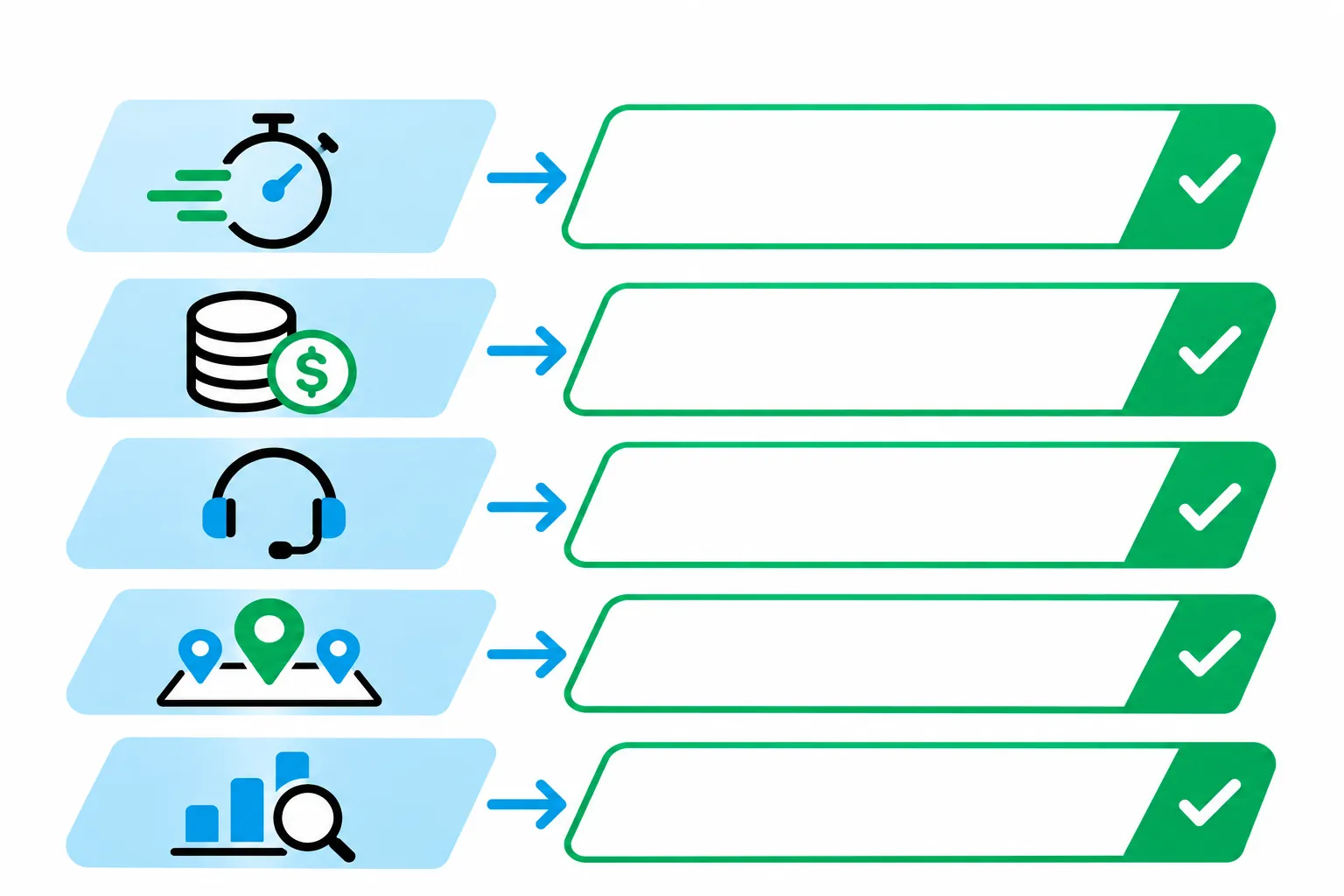
Five limits that decide the mix
Stop asking which channel is better. Ask which limit is tightest right now. Five limits show up again and again for treatment providers. The same structure transfers to a hospital service line or a regulated professional firm. The names change. The decision does not.
Speed
Census below target, a new facility that needs inquiries this quarter, or a payer contract that depends on volume: these are speed problems. Paid search is the faster lever because you can turn eligibility on. New organic work is the wrong sole plan for an admissions target that is already late. Speed is also the limit most likely to produce waste, because urgency shuts down the argument about what a contact is worth and whether anyone will answer.
Margin per verified admission
Set a ceiling you can defend. It depends on payer mix, level of care, length of stay, collection, and whether you can serve the person well. Compare each channel with that ceiling using verified admissions, not inquiries. No number on this page can stand in for your economics. A low cost per inquiry can still fail the ceiling if screening is weak. A higher cost per inquiry can still fit if the people who arrive are appropriate and the admission rate holds.
Intake capacity
More demand does not help if the intake team cannot respond. If calls reach voicemail after hours, if appropriate-level-of-care screening takes days, or if the team is already at the volume it can handle with care, extra paid clicks mostly buy abandoned contacts. In that situation the next dollar belongs in coverage, scripting, and speed to a real conversation. Neither channel fixes an understaffed response.
Location visibility
For a group, the question changes shape by facility. One site can be easy to find in its city. Another can be missing from the local pack, thin on its location page, and inconsistent on its phone number. Paid search can cover that city while the listing and the page are repaired. Local work, including a complete Business Profile, consistent citations, and a location page that matches the listing, is the durable repair. An organization-wide split hides that difference. Review the mix by facility where volume is large enough to read. Pool only when small numbers would mislead.
Confidence in the source
How much of your admitted volume can you trace to a verified source? If paid contacts are traced and organic contacts are not, paid will look better because it is measured, not necessarily because it created more admissions. Low confidence is a reason to instrument before you move a large share of budget either way. It is not a reason to freeze all useful work. You can still correct a broken listing, a duplicate page, or an after-hours coverage gap while the source fields are being built.
Rate each limit as tight, worth watching, or not tight. The tightest one sets the next move: hold the current mix, add paid search, invest in organic and local visibility, improve intake coverage, or fix measurement before a large reallocation. Write the rating down. A verbal impression in a leadership meeting does not survive the next census report.
When to move budget toward SEO
There is no universal share of budget that should move from paid search to organic search. There are conditions that justify examining a shift, and conditions that argue against one. Set the numbers from your own ceiling, your own census need, and your own ability to see the result.
Conditions that favor moving a portion of budget toward organic and local visibility:
- Paid cost per verified admission sits above your ceiling, and tuning has stopped improving it. Tuning includes search terms, geography, schedules aligned to staffed hours, and landing pages that match the query.
- The organic footprint has visible, fixable gaps. Examples include missing service pages, location pages that compete with each other, a crawl that spends effort on low-value URLs, or Business Profile fields that disagree with the website.
- You can keep enough paid search to cover the admissions volume you still need from that channel. A shift that drops paid-sourced admissions below what census requires is not a strategy. It is a capacity cut.
- Measurement can show whether the shift worked. Without a shared stage table, you will be debating reports, not results.
Conditions that argue against a shift:
- Census pressure is immediate. Do not rely on new organic work alone to meet that target.
- Intake is the real bottleneck. More demand from either channel will leak.
- Organic attribution is close to zero. You would be moving money into a channel you cannot yet evaluate.
- Paid auction pressure looks temporary or seasonal. A structural cut would be an overreaction to a short window.
A staged change holds up better than a hard switch. Agree the portion, the period, and the criteria before you move the money. Review verified admissions, the direction of non-brand organic demand, and the size of the unknown bucket against those criteria. What counts as a modest portion depends on your volume. The worksheet asks you to set it.
Add paid search back when a new limit appears. Organic gains can be real and still too slow for a seasonal census gap or a facility that just opened. Adding paid search in that case is the same framework applied to a new limit. It is not an admission that the earlier shift failed.
Free Audit
Want a straight read on where your budget is leaking?
How to measure calls and admissions
This is the comparison executives actually need, and it is where privacy risk and bad math usually enter together.
Write the definition with admissions
A usable definition of qualified is written down, agreed by marketing and admissions, and mapped to a stage someone owns. Clinical and compliance leadership should own the clinical criteria. Marketing should not invent them to make a channel look better.
- Contact attempt; What it means: A unique call, form, or chat in which a person tried to reach you; Typical owner: Marketing, with intake confirmation
- Conversation; What it means: A real conversation, not a wrong number or an unanswered call; Typical owner: Intake
- Screened as appropriate; What it means: Matches a level of care you provide, and basic fit criteria are met; Typical owner: Admissions or clinical intake
- Verification complete; What it means: Benefits or payment pathway confirmed as your process requires; Typical owner: Admissions or revenue cycle
- Admitted; What it means: The person is admitted; Typical owner: Admissions
An inquiry, for this framework, is a unique contact attempt. It is not every Business Profile action. Direction requests and website clicks are profile interactions. They matter for local visibility. They are not admissions, and they are not automatically calls. Google’s Business Profile “calls” metric counts clicks on the call button, not completed calls. Business Profile performance Keep profile interactions in their own row. Deduplicate when one person clicks the call button and also submits a form. Distinguish the channel (paid or organic) from the surface (a landing page, an organic result, or the profile). Profile reporting can include both organic results and ads, so a profile total is not a pure organic number.
Your stage names can differ. The requirement is that each stage has an owner, and that the status change reaches the system marketing reports from.
Keep the clinical record on the correct side of the line
The goal is for marketing to see stage progression by source and location. The goal is not to place identifiable health information in an ad platform or a general analytics tool.
Keep admission-level attribution in access-controlled first-party reporting. Any external sharing must satisfy applicable law and the destination platform’s policies. Google prohibits sensitive health-related conversions in enhanced conversions and store-sales uploads. Its customer data policy lists health or medical information, including purchases of medical services, among sensitive categories that cannot be used for measurement in those products. Google Ads customer data policies Do not read that product-specific rule as a statement about every Google measurement method. Read the current policy for the product you intend to use.
The HIPAA Rules apply when information that regulated entities collect through tracking technologies, or disclose to tracking vendors, includes protected health information. Disclosures of PHI for marketing, without the authorization the Privacy Rule requires, are not permitted. A federal court later vacated one portion of HHS’s online-tracking bulletin: the portion that treated an IP address combined with a visit to an unauthenticated public webpage about specific health conditions or providers as enough, by itself, to trigger HIPAA. HHS online tracking guidance This framework does not establish that a particular tracking implementation is lawful.
Applicable substance-use-disorder records may also be subject to 42 CFR Part 2. Part 2 protects records of identity, diagnosis, prognosis, or treatment maintained in connection with certain federally assisted substance-use-disorder programs. The 2024 final rule modified parts of that regulation, with a compliance date of February 16, 2026 for applicable requirements. HHS Part 2 fact sheet Have counsel review call-recording consent, retention, and which fields, if any, may leave the intake system. Collect the fields the budget decision needs. Do not collect clinical detail to make a marketing report feel complete.
Instrument the chain, then review one table
Check these gaps before you treat a channel report as complete:
- Distinct call tracking for paid, organic website, and the Business Profile, so those calls do not all fall into direct or unknown.
- Form and chat capture that stores source and landing page without asking for more than the decision requires.
- CRM source fields that populate where they can, with staff confirming rather than guessing.
- A weekly review in which marketing and admissions look at the same stage table, by source and by location, with the unknown bucket shown rather than hidden.
In that weekly meeting, the useful picture is ordinary and specific. An intake specialist has updated the stage. An admissions leader can see which contacts became conversations and which became admissions. A marketing lead can see source and location, not the clinical note. The note stays in the system built for it. The argument, if there is one, is about a missing status or a contact with no source. That argument is the work. Separate dashboards that never meet are how the same week gets two different stories.
Search Console will not close this chain. It aggregates and filters query data. Some queries, called anonymized queries, are omitted from query tables to protect privacy, while still counting in chart totals unless you filter by query. Search Console performance data filtering That limitation explains why an organic query report is incomplete. It does not tell you how many admissions your call tracking missed.

What the reports cannot prove
Channel reports are inputs. They are not a verdict. Put these limits on the table before anyone moves budget.
Branded demand is a separate report. Report branded demand separately. A branded search does not establish which earlier activity created awareness. People search a facility name after a paid ad, a referral, a family member, a previous visit, or an organic page. Counting branded organic sessions as proof that SEO created the demand overstates what the organic work did. Counting them as nothing also throws away a real behavior. Separate them, then judge non-brand organic demand when the question is whether SEO is creating new access.
For eligible properties, Search Console can group branded and non-branded queries. Search Analytics API update, November 16, 2026 That split is still an aggregated, filtered trend. It is not a list of which admissions began with which query. Keep query trends in one table and source-attributed admissions in another. Retain an unknown category for contacts you cannot trace.
Organic and profile calls can sit in unknown. If calls from organic results and from the Business Profile are not on distinct numbers, check whether they are landing in an unknown bucket. The direction of that error is something you can reason about. The size is unknown until you instrument. Do not fill the gap with an estimate and then treat the estimate as measured.
Admissions lag. The time from first touch to admission varies by level of care, payer pathway, and family decision-making. A comparison window shorter than your typical lag will undercount recent activity for both channels. The channel with a longer path will look worse in a short window. Record your own lag in the worksheet and do not judge a recent cohort until that lag has had time to resolve.
A concurrent change is not proof of cause. If you pause paid search in a market and organic inquiries also fall, that concurrent decline is a hypothesis to investigate, not proof that paid search caused organic demand. Account for seasonality, market changes, and other activity that moved at the same time. The reverse is also weak evidence. If you reduce SEO work and inquiries do not change for months, that does not prove the earlier work had no effect, because effects can lag in both directions. Geographic holdouts and staged budget changes can offer partial evidence. They are imperfect, and they need a design that does not confuse a seasonal swing with a channel effect.
People do not move in one click. Families search more than once, call more than one provider, and use different devices. Last-click and first-click reports each tell a partial story. Use them to see what you can see. Do not treat either one as the full path to admission.
AI features are a monitoring item, not a forecast. Google documents AI Overviews and AI Mode as Search features that can show links with a generated response. Pages need to be indexed and eligible for a snippet. Google says there are no additional technical requirements, and that AI Overviews often do not trigger because they are meant to appear when the system judges them additive to classic results. AI features and your website Record whether an AI feature appears for the queries on your fixed list. There is no verified measure on this page of how often that happens for treatment queries, and no basis here for a large reallocation because of it.
A hypothetical set of counts
These figures are hypothetical counts, not client results or benchmarks. They exist to show why a first report misleads. They are round on purpose.
- Paid, source attributed; Unique contact attempts: 200; Screened as appropriate: 60; Admitted: 12
- Organic website, source attributed; Unique contact attempts: 80; Screened as appropriate: 25; Admitted: 5
- Unknown source; Unique contact attempts: 40; Screened as appropriate: Unknown; Admitted: Unknown
Beside that table, not inside it, sit two Search Console trends for the same period: branded queries and non-branded queries. Those trends are not matched to the 5 organic admissions or to the 12 paid admissions. The 40 unknown contacts are not assigned to either channel.
A manager looking only at contact volume might call organic the better value, or might call paid the better value, depending on which spreadsheet is open. These counts alone cannot establish relative acquisition cost or incrementality. There is no spend figure in the example, the unknown outcomes are unknown, and branded query trends have not been joined to admissions. The honest next step is to instrument, separate branded query trends from source-attributed admissions, and review a later cohort after your typical lag. It is not to move a large share of budget on this table.
Suggested implementation order
Titles differ by organization. Assign the work by function. This is a suggested order, not a schedule that fits every provider. Resourcing, privacy requirements, and data maturity determine the pace. A single facility and a multi-location group can use the same order. Run it by location where volume allows.
Phase 1: Agree definitions and a baseline
The CEO or COO names one owner for end-to-end acquisition measurement. Without a named owner, the work stalls between marketing and admissions.
The admissions leader, with clinical or compliance leadership, writes the qualified ladder and the criteria for each stage.
The marketing lead pulls available history of spend, contact attempts, and source by channel and location. Six to twelve months is useful if the data exists. If the history is poor, record that fact. A missing baseline is a finding, not a delay to hide.
Counsel or compliance reviews what may flow where, including call-recording consent and retention, before new tracking is turned on.
Phase 2: Instrument
Set distinct call tracking for paid, organic website, and the Business Profile. Add source fields to the CRM and make stage updates part of the intake routine. Build the weekly stage table by source and by location, with unknown shown explicitly. Run a crawl of your own site. Create the page map and the internal link list described in the next section. Complete the first results check on a fixed query list.
Phase 3: Fix what is already visible
Correct Business Profile and citation inconsistencies. Resolve pages that compete for the same intent where consolidation would make the site more useful. Tighten paid search: search terms, geography, schedules aligned to staffed intake hours, and landing pages that match the query. Close intake coverage gaps if speed to a real conversation is the tight limit.
Phase 4: Decide with the evidence you have
Review verified admissions by source. Keep branded and non-branded query trends in a separate view. Show unknown contacts rather than spreading them across channels by assumption. Compare cost per verified admission with your ceiling, for the sources you can actually trace. Then hold, add, or shift, and write the review date and the criteria before the budget changes.
Mistakes that waste the next quarter
Comparing cost per inquiry with rankings. The units do not match, so the winner is an artifact of the report.
Treating branded organic queries as proof that SEO created awareness. Report them separately.
Cutting paid search before organic contacts can be traced. You lose demand you could see, and you lose the ability to read the effect.
Treating organic work as a one-time project. Listings, clinical accuracy, and location pages need maintenance after the first build.
Letting marketing and admissions keep separate numbers. The disagreement is the finding. Resolve it with one stage table.
Collecting extra clinical detail to improve a chart. More fields mean more privacy risk. Collect what the decision needs.
Ignoring intake capacity. A faster media plan does not answer a phone that no one is staffed to pick up.
Using one split for every location. Markets differ. The mix should be allowed to differ.
Judging a cohort inside the admissions lag. Recent spend will look weaker than a completed cohort.
The same limits outside treatment
A hospital service line can face the same structure: scheduling friction instead of residential intake, facility-level measurement instead of a single census, and local visibility that varies by campus. A professional services firm can face a long cycle and heavy referral dependence. In each case, define the qualified outcome, connect the chain without moving sensitive records into the wrong system, and let the tightest limit set the budget. This page stays with treatment examples because that is where the platform rules and the admission path are most specific. The decision rule is not limited to one license type.
Worksheet
Copy the worksheet below into your own spreadsheet. Complete it with your figures. Leave a cell blank rather than estimating it into existence.
Section A: Economics.
- Value of a verified admission, by level of care; Your value: ; Owner: Finance
- Maximum acceptable cost per verified admission; Your value: ; Owner: CEO or COO
- Monthly paid search budget; Your value: ; Owner: Marketing
- Monthly organic and local budget; Your value: ; Owner: Marketing
- Typical days from first touch to admission; Your value: ; Owner: Admissions
Section B: Which limit is tight.
- Speed, against census need; Tight, watch, or not tight: ; Evidence you will accept:
- Margin per verified admission; Tight, watch, or not tight: ; Evidence you will accept:
- Intake capacity; Tight, watch, or not tight: ; Evidence you will accept:
- Location visibility; Tight, watch, or not tight: ; Evidence you will accept:
- Confidence in the source; Tight, watch, or not tight: ; Evidence you will accept:
Section C: Contacts and admissions by source.
Use a window at least as long as your typical lag. Do not split these admissions by query type.
- Paid, source attributed; Unique contact attempts: ; Conversations: ; Screened: ; Verified: ; Admitted:
- Organic website, source attributed; Unique contact attempts: ; Conversations: ; Screened: ; Verified: ; Admitted:
- Unknown; Unique contact attempts: ; Conversations: ; Screened: ; Verified: ; Admitted:
Section C2: Surfaces and query trends, not joined to admissions.
- Profile call-button clicks; What to record: Clicks, not completed calls; What it is not: Not a channel total. The report can include organic results and ads.
- Direction requests and website clicks; What to record: Profile interactions; What it is not: Not contact attempts unless a person also called or wrote
- Branded query trend; What to record: Search Console, eligible properties; What it is not: Not a count of admissions that started with a brand search
- Non-branded query trend; What to record: Search Console, eligible properties; What it is not: Not a count of admissions created by SEO
Section D: Decision record.
- Proposed change: hold, add, or shift; Your entry:
- Amount and duration; Your entry:
- Criteria set before the change; Your entry:
- Review date; Your entry:
- Owner; Your entry:
- Counsel review of the tracking design completed, yes or no; Your entry:
Email Us
Prefer to send the context directly?
Local listings and site foundations
If organic and local visibility are the lever you plan to pull, look here before you approve a proposal. The same checks tell you whether a vendor plan is specific or generic.
Sit down with a fixed list and a laptop, not with a single ranking screenshot. Pick queries a prospective patient or a family member might use, by city, for the levels of care you provide. For each query, record who appears in paid results, who appears in the local pack, who appears in organic results, whether an AI feature is present, and which URL on your site is meant to own that intent. Repeat the same list on a set cadence. Redact anything that could identify a person. A monthly stack of those sheets will tell a leadership team more about position in a market than a blended visibility score.
Crawl quality
Search engines need to reach the pages that matter, render them, and not spend the crawl on duplicates. A crawl of your own site can review status codes, redirect chains, canonical tags, indexability, internal link depth, mobile experience, and thin or near-duplicate pages. Keep the file. The value is the comparison after you change the site, not a one-time export that no one opens again. This page does not include a crawl of any provider’s site. Build the baseline from your own property.
Page map
A page map lists every important service, condition, level-of-care, and location page, the intent each one serves, and the single URL meant to own that intent. Map overlapping intent and consolidate pages where doing so improves usefulness. Two pages aimed at the same city and the same level of care force the searcher, and the crawler, to guess. Consolidation should make the remaining page more useful to a person choosing care, not merely shorter for a ranking report.
Internal links
Google uses links as a signal when determining relevancy and to find new pages to crawl. It also says every page you care about should have a link from at least one other page, and that contextual internal links help people and Google make sense of the site. Link best practices Add relevant contextual links alongside clear navigation. A practical pattern: location pages link to the services offered at that site, service pages link to the locations that offer them, and a guide like this one links to the service pages it supports. Navigation still matters for people moving through the site. Do not treat a link model as a substitute for a clear menu.
Business Profile, Maps, and reviews
Google says local results are mainly based on relevance, distance, and popularity. It describes prominence as how well-known a business is, including how many sites link to it and how many reviews it has. More reviews and positive ratings can help local ranking. Businesses with complete and accurate information are more likely to show in local results. There is no way to request or pay for a better local ranking. Tips to improve your local ranking
Complete the fields a person needs in order to choose and reach you: category, hours, services, address if customers can visit, phone number, and photos that show the facility rather than a stock scene. The location page and the profile should agree on name, address, and phone. Inconsistent citations make that agreement harder to maintain.
Review practices have a hard edge. Google does not allow businesses to offer incentives such as payment, discounts, or free goods or services in exchange for a review, or in exchange for revising or removing a negative review. It also does not allow businesses to discourage negative reviews or to selectively solicit positive reviews. Soliciting genuine reviews without an incentive is allowed. Maps prohibited and restricted content Build the review routine around that rule. A short-term spike from an incentive is not a local strategy, and it puts the listing at risk.
Use the profile performance report as a surface report. Call-button clicks, direction requests, and website clicks tell you that people found the listing and acted. They do not, by themselves, tell you the channel, whether the call was completed, or whether the person was admitted. Match what you can through call tracking and the CRM. Leave the rest in unknown.
What a results check is for
The results check is evidence for the budget conversation. If paid ads dominate a city where your profile is incomplete and your location page is thin, you have a visibility gap that paid search is renting and local work might narrow. If you already appear for the non-brand queries that match your services, and paid cost per verified admission is inside your ceiling, a large shift toward organic work needs a different justification than “we should do SEO.” If an AI feature appears on some queries and not others, note it and watch the next month. Do not rebuild the budget around a single observation.
Questions, Answered.
When paid cost per verified admission is above the ceiling you set, tuning has stopped improving it, the organic footprint has fixable gaps, you can keep enough paid search for the admissions you still need from it, and measurement can show whether the shift worked. Move a pre-agreed portion for a pre-agreed period, with criteria written first. Do not make that shift when census pressure is immediate, when intake cannot handle more demand, or when organic contacts cannot yet be traced.
Use a written definition of qualified, tied to stages admissions owns. Count unique contact attempts, not every profile click. Track paid, organic website, and unknown separately. Keep Business Profile interactions in their own report, and remember that call-button clicks are not completed calls and can include ads as well as organic results. Report branded and non-branded query trends apart from source-attributed admissions. Compare cost per verified admission with your own ceiling, after your typical lag, only for sources you can actually trace.
It varies with starting condition, competition, location, and the current state of the site and listings. Google says site improvements can take a few days to show an effect, or several months, and that a lack of effect after a few months can mean waiting for a later update. Google Search core updates Use your own history and a staged review. Do not rely on new organic work alone to meet an immediate admissions target.
Google restricts it. In the United States, applicable recovery-oriented drug and alcohol addiction-services advertisers must obtain LegitScript certification and Google certification before advertising. Not every service is eligible, and ineligible services are not allowed to advertise those services on Google. Requirements differ by location. Check the current policy before you plan spend. Healthcare and medicines policy
It can, if the current position is already strong and census need is not immediate. Many providers use the two channels for different limits: paid search for speed and control, organic search and local listings for durable access. The mix should follow the limit that is tight, including intake capacity and whether you can trace the source. It should not follow a fixed percentage copied from another organization.
Often they can be tied part of the way, with distinct numbers, CRM source fields, and a process that returns admission status to access-controlled first-party reporting. Design that path with counsel. Identifiable records, including applicable substance-use-disorder records, stay in systems built for them. HHS Part 2 fact sheet This page does not establish that a given setup is lawful.
Not by themselves. AI Overviews and AI Mode can appear in Google Search and can include links, and there are no extra technical requirements beyond ordinary Search eligibility. AI features and your website Record whether they appear on your fixed query list. There is no verified treatment-query measure here that would justify a large move from one channel to the other. An acquisition audit applies this framework to your own numbers: how contacts move from first touch to verified admission, where the chain breaks, and what the current evidence can and cannot support. Request an acquisition audit
Ready to see where your marketing can improve?
Request a free audit of your paid media, landing pages, attribution, and measurement setup. You'll get a straight assessment of where the opportunities are.
or email us at info@marketingpowered.ai