Media
Guest Contributions to Build Your Position
Establish authority and expand your reach through strategic bylined articles on platforms that matter.
Understanding Guest Contributions
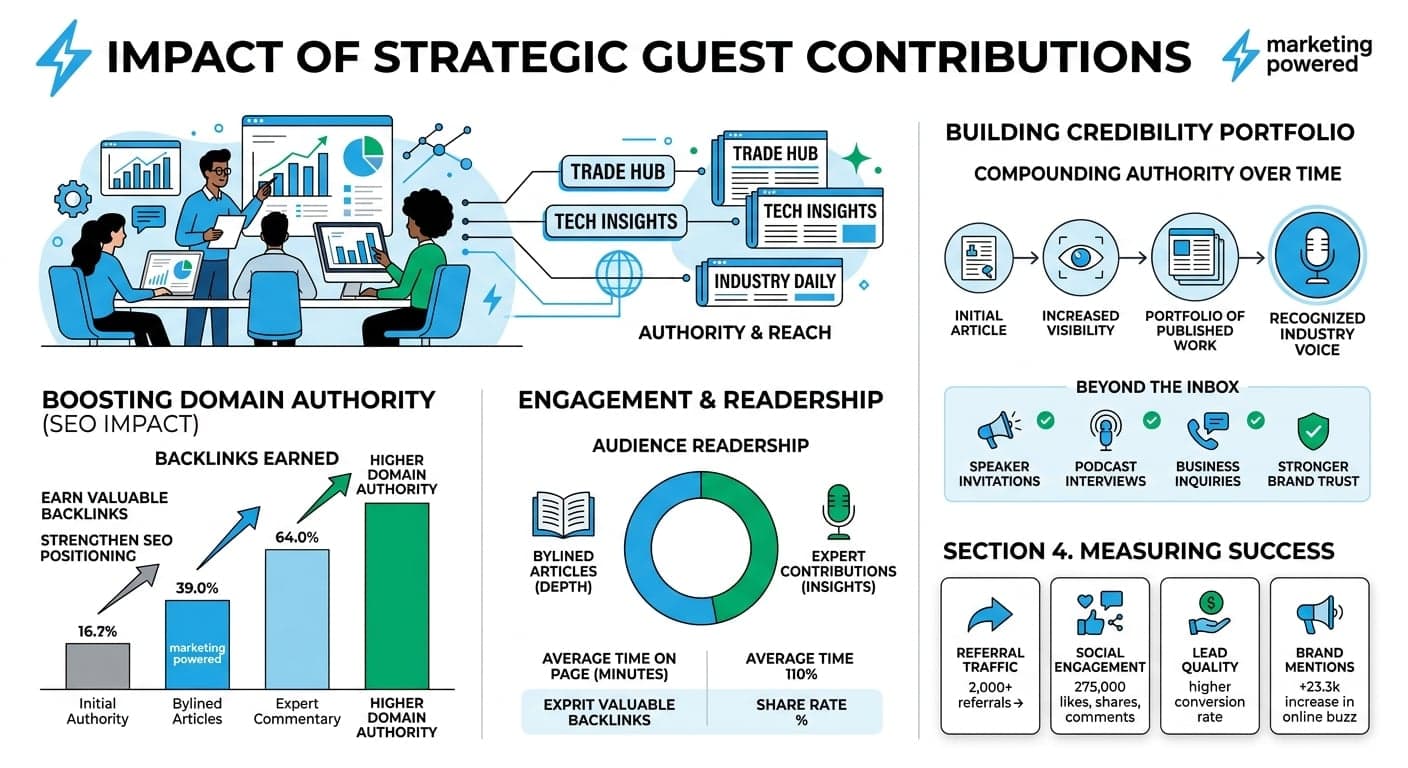
Guest contributions are articles or content pieces you publish on platforms outside your own properties. When executed well, they position you or your organization as a credible voice in your field. The value extends beyond a single placement: each contribution builds compounding authority over time.
Content that qualifies as a guest contribution includes bylined articles, expert commentary, thought leadership pieces, and industry analysis. The defining characteristic is authorship attribution. Your name, your expertise, your perspective. These pieces differ from sponsored content or advertorials because they prioritize editorial value over promotional messaging.
The benefits are straightforward. You gain exposure to established audiences. You earn backlinks that strengthen your domain authority. You build a portfolio of published work that reinforces credibility when prospects research your background. For organizations operating in specialized verticals, guest contributions also demonstrate depth of knowledge that generic marketing cannot replicate.
Types of Guest Articles
Bylined articles carry your name and typically include a brief author bio. These are the most common forms of guest contribution and appear in trade publications, industry blogs, and news outlets. The bio section creates a direct branding opportunity, linking readers back to your site or profile.
Expert contributions take a different angle. Rather than full articles, these are quoted insights, commentary sections, or responses to industry questions compiled by journalists or editors. Publications like Behavioral Health Business frequently seek expert perspectives for roundup pieces and trend analysis.
The audience varies by format. Bylined articles attract readers who want depth on a specific topic. Expert contributions reach readers scanning for multiple viewpoints. Both formats serve positioning goals, but bylined pieces offer more control over messaging, while expert contributions often require less time investment per placement.
How to Pitch Guest Articles
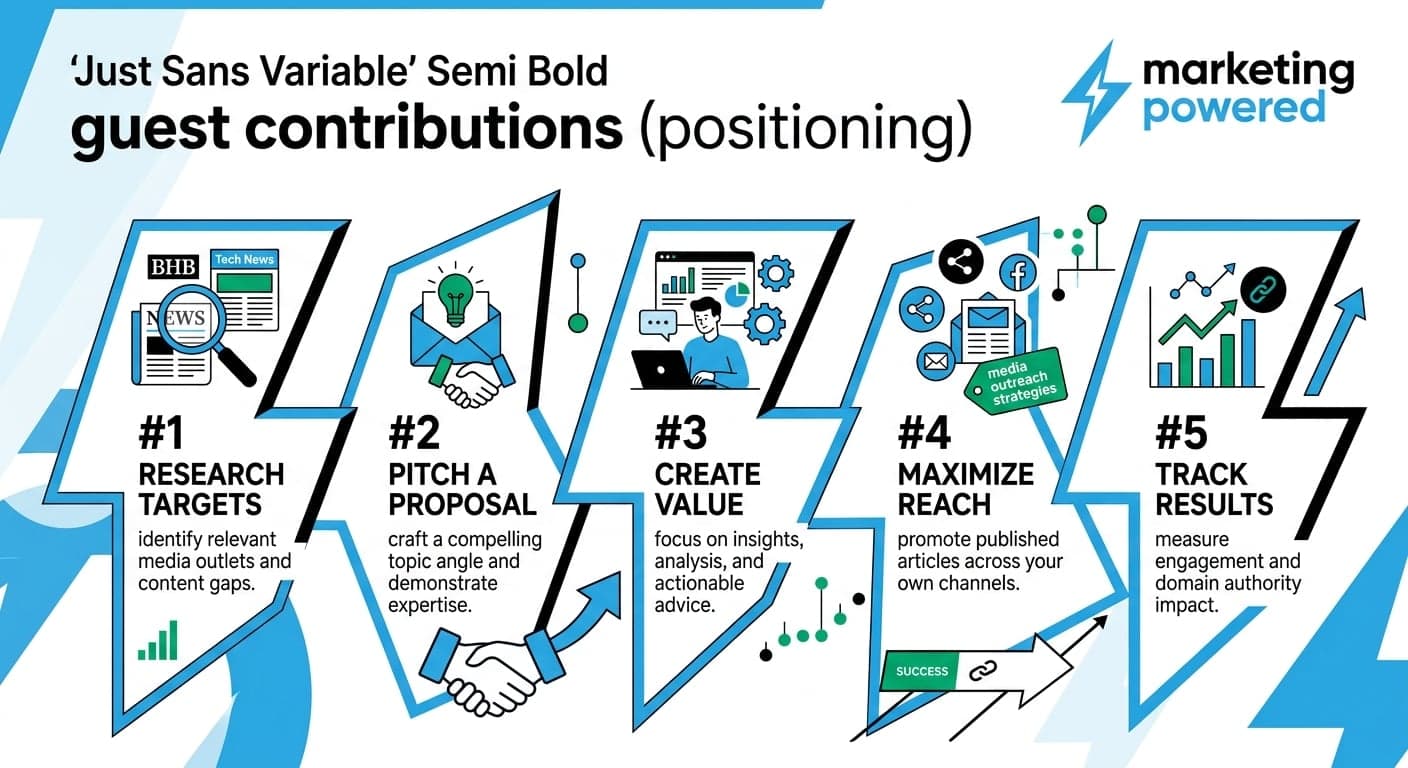
Effective pitching starts with platform selection. Identify publications where your target audience already reads. Review their existing content to understand tone, depth, and topic gaps. A pitch that fills a genuine editorial need will outperform a generic topic suggestion every time.
Your proposal should include a clear topic angle, a brief outline, and a statement of your relevant credentials. Explain why you are qualified to write on this subject. If you have prior published work, reference it. Editors want confidence that you can deliver polished content on deadline.
Personalization matters. Address the editor by name. Reference a specific article they published and explain how your pitch connects to their coverage area. Avoid mass-distributed pitches that read like templates. Editors receive dozens of submissions weekly. The pitches that stand out demonstrate genuine familiarity with the publication.
- Research the publication's contributor guidelines before submitting
- Propose topics that fill gaps in their existing coverage
- Include 2-3 relevant writing samples or published articles
- Keep the initial pitch concise, typically under 300 words
- Follow up once after 7-10 days if you receive no response
Free Audit
Want a straight read on where your budget is leaking?
Maximizing Impact Through Guest Contributions
Publication is the starting point, not the finish line. Promote your guest article across your own channels: social media, email newsletters, and your website's media outreach strategies section. Tag the publication and editor to increase visibility and strengthen the relationship for future contributions.
Engage with readers who comment or share. Thoughtful responses demonstrate accessibility and reinforce your expertise. These interactions often lead to additional opportunities, from podcast invitations to speaking engagements to direct business inquiries.
Track outcomes to understand what works. Monitor referral traffic from your author bio link. Measure social engagement on promotional posts. Note which topics generate the strongest response. This data shapes your contribution strategy over time, helping you focus on formats and publications that deliver measurable returns.
Consistency compounds authority. A single guest article creates a momentary signal. A sustained cadence of contributions across respected platforms builds a body of work that defines your positioning. Organizations that commit to regular expert contributions often find that inbound opportunities increase as their published footprint grows.
Avoiding Common Pitfalls
Platform quality matters. Contributing to low-authority sites can dilute your positioning rather than strengthen it. Vet potential publications for editorial standards, audience relevance, and domain authority before investing time in a pitch.
Overly promotional content gets rejected or ignored. Editors seek value for their readers, not advertisements dressed as articles. Focus on insights, analysis, and actionable guidance. Your expertise should be evident from the content itself, not from self-promotional language.
Finally, respect submission guidelines. Each publication has specific requirements for format, length, and exclusivity. Ignoring these signals that you did not read the guidelines, editors will deprioritize your pitch accordingly.
Ready to Build Your Authority?
Guest contributions are a proven path to positioning, but the right platform and approach make the difference. If you have expertise worth sharing and want to reach audiences in behavioral health, mental health, or healthcare marketing, we want to hear from you. Submit your proposal and let's discuss how your perspective fits our editorial calendar.
Questions, answered.
Guest contributions are articles or content pieces you publish on platforms other than your own website or channels. They position the contributor as an authority by placing their expertise in front of established audiences. The format includes bylined articles, expert commentary, and thought leadership pieces that carry author attribution.
Bylined articles feature the author's name prominently and typically include a bio section with credentials and a link back to their site or profile. This attribution creates personal or company branding opportunities that standard editorial content does not provide. The author receives direct credit for their expertise.
An effective proposal includes a clear topic angle, a brief outline of key points, and a statement of your relevant credentials or experience. Reference prior published work if available. Explain why the topic fits the publication's audience and editorial focus. Keep the initial pitch concise and specific.
Track referral traffic from your author bio link using analytics. Monitor social engagement metrics, including shares, comments, and mentions. Note any direct inquiries or opportunities that reference the article. Over time, measure whether consistent contributions correlate with increased inbound interest or domain authority improvements.
Expert contributions build credibility by associating your name with respected publications and topics in your field. They create backlinks that strengthen SEO. They provide third-party validation that owned content cannot replicate. For specialized verticals, they demonstrate depth of knowledge to prospects researching your background.
Ready to see what AI-native marketing can do for your treatment center?
Request a free audit of your paid media, landing pages, attribution, and compliance posture. You'll get a straight assessment of where the opportunities are.
or email us at info@marketingpowered.ai